
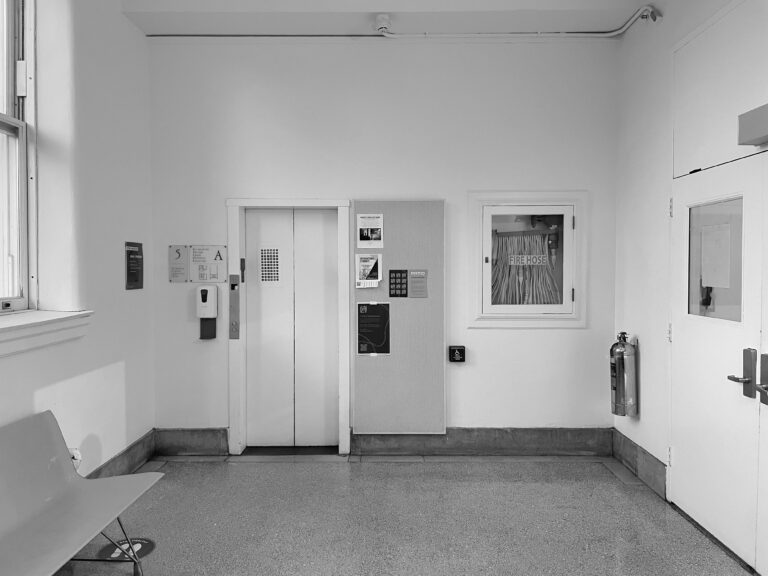
Smart elevator monitoring for hospitals is transforming management of vertical transportation systems, increases uptime, improves safety, and optimizes patient flow.
In a medical facility, every second counts. From moving patients to surgery, delivering critical supplies, to transporting staff between floors—elevators are an essential part of healthcare operations. When an elevator breaks down, it is not just an inconvenience; it can directly impact patient care and safety.
Why Elevators Are Critical to Hospital Operations
Unlike other commercial buildings, hospitals have unique elevator demands:
- High traffic volume: moving patients, visitors, staff, and equipment simultaneously
- Time-sensitive needs: rapid response for emergencies such as trauma cases or code situations
- Specialized functions: service elevators for beds, sterile supply runs, or food delivery routes
An unexpected elevator outage in a hospital can delay surgeries, slow down emergency care, and create bottlenecks that ripple through the facility.
The Risks of Elevator Downtime in Healthcare
- Delayed patient transport: a broken elevator can mean longer waits for critical moves between emergency, imaging, surgery, and recovery units
- Safety concerns: in emergencies, reliable elevator access is vital for evacuation, rapid care, and staff movement
- Increased staff workload: without working elevators, staff may have to take long detours or manually transport equipment—which slows down patient care and increases employee fatigue
How Smart Elevator Monitoring for Hospitals Works
LiftNet’s smart elevator monitoring system connects to your existing infrastructure to provide:
- Real-time performance tracking: measurement of elevator operations to identify potential issues before a breakdown occurs
- Automated alerts: instant notifications to facilities teams when performance metrics show irregularities
- Remote diagnostics: detailed performance data for faster repairs
- Centralized control: management of multiple elevators from a single interface, ideal for large hospital campuses
Benefits for Patient Flow and Safety
- Reduced downtime: proactive monitoring helps prevent unexpected outages, keeping patient and staff transport running smoothly
- Faster response to Issues: automated alerts allow repair teams to act immediately—sometimes before the problem is noticed by staff
- Improved emergency readiness: in critical situations, reliable elevator access can be lifesaving
- Better resource allocation: less time spent on troubleshooting elevator issues means more focus on patient care
Smart Elevator Monitoring for Hospitals Improves ROI
Beyond improving patient care, reducing downtime can cut repair costs, extend elevator lifespan, and improve staff satisfaction. Hospitals that invest in smart elevator monitoring position themselves for higher operational efficiency and better patient experiences.
Keep Your Hospital Moving Safely and Efficiently
LiftNet’s smart elevator monitoring solution helps healthcare facilities maintain peak elevator performance, safeguard patients, and support seamless operations. Contact us today to learn how we can help your hospital stay ahead of elevator downtime and avoid potential legal concerns from vertical transportation issues.